Planning flatbed hire in Swindon
A dropside is most useful when the load is awkward: lengths of timber, fence panels, pallets of blocks, or a small machine that has to come off at the side rather than the back. For many Swindon jobs, the harder question is where the vehicle will stand, not which one to hire. On streets with resident bays there is often little room to park, drop a side and work safely around the deck, so plan the kerbside as carefully as the booking.
This page is for private customers moving a one-off load, tradespeople taking materials to a job, and commercial users planning regular work. It covers how to choose a category and what to confirm with the supplier about payload, licence and equipment. It also explains how to secure and unload a load safely, and which council arrangements to look into before you fix a date. Specifications and conditions always depend on the vehicle you are actually given.
Working beside a resident bay: permit or suspension?
If the job is on a street with resident parking, the council offers two different routes, and each solves a different problem. A contractors parking permit lets contractors or builders use a resident bay temporarily while they carry out work. The council says the permit becomes active once the application has been approved and paid for. You cannot park on the strength of an application that is still waiting.
A suspension works differently. Instead of letting you share a resident bay, it asks the council to take a stretch of kerb out of normal use. You may need this when a dropside has to stand still with a side lowered and people working around it. Before relying on either route, check that it covers the registration and type of the vehicle you are hiring, and read the current signs on the day. Do not assume that cones or reserved space come with it.
Sources: Swindon Council: contractors permits, Swindon Council: bay suspension
Timing and measuring kerb space for unloading
Suspensions need to be planned early. For an ordinary request, the council asks for at least 28 working days' notice, which is roughly six calendar weeks once weekends and bank holidays are taken out. Apply before you commit to a delivery date or book a vehicle for a fixed day. Short-notice exceptions should not be treated as routine.
Requested lengths are rounded up to the nearest six metres, and the council says it cannot guarantee the area will be kept clear. Measure the full space the job needs: the vehicle length, any load hanging off the back, a lowered side, a tail-lift platform if fitted, and room to carry or wheel goods away. Then agree a backup plan in case a car is still parked there when you arrive. That could be a nearby drive, a later time slot, or a smaller vehicle making two trips.
Sources: Swindon Council: bay suspension
Choosing between 3 metre, 4 metre, tail-lift and 7.5 tonne dropsides
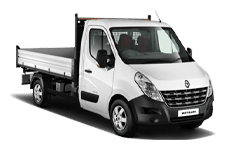
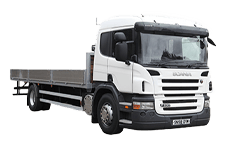
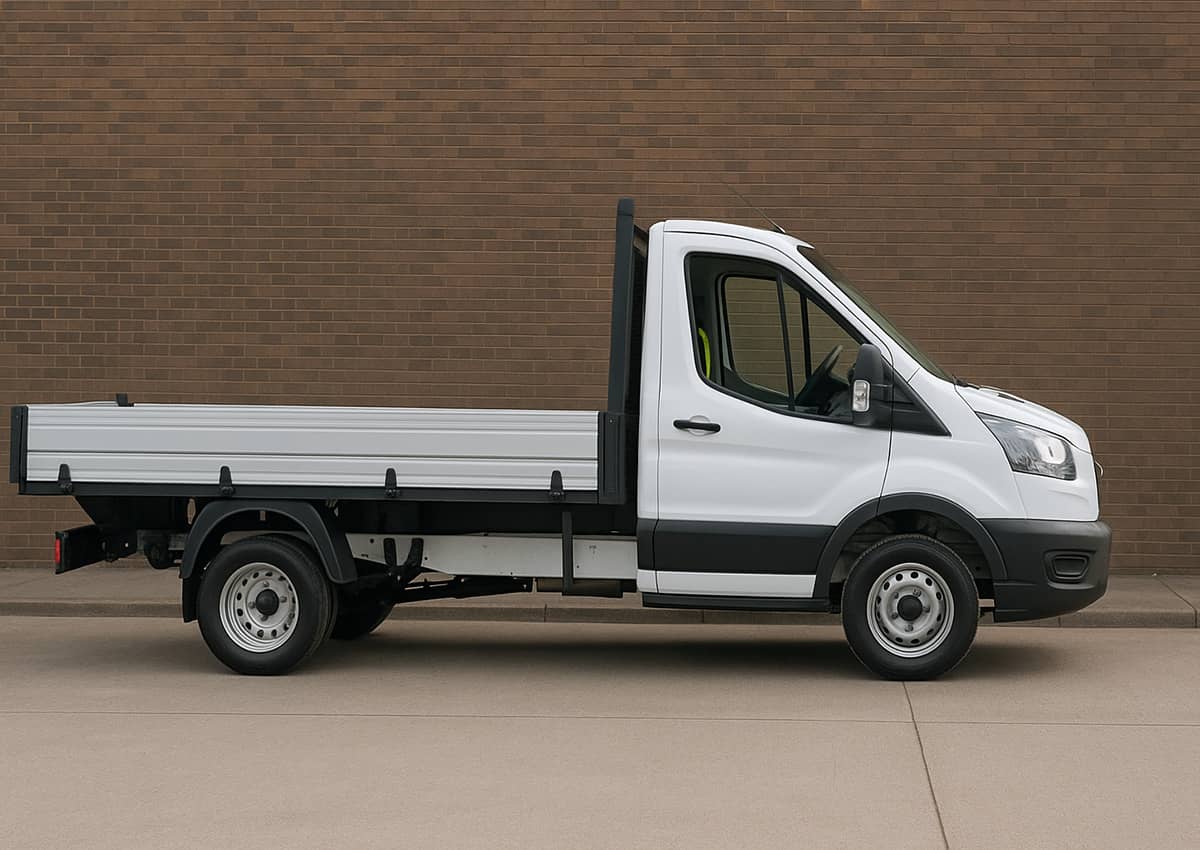
Start with your longest item and heaviest combination of goods, not the vehicle name. A 3 metre dropside suits fencing, boards, bagged materials and tools where there is little room to manoeuvre. A 4 metre deck gives more length for timber, pipe and landscaping loads and reduces how much hangs off the back. If the load includes pallets or wheeled equipment and there is no loading dock at the other end, ask about a dropside with a tail lift.
A 7.5 tonne dropside lorry can carry longer, heavier or multi-pallet loads. It needs the right licence, a route suitable for a lorry, and more space to stand and unload, which matters on residential streets. Published bed lengths and payload figures for each category are only typical examples. Before you rely on a vehicle for a specific load, ask for its bed length and width, side height, plated weights and available payload.
Sources: Nationwide Hire UK: 3 metre dropside, Nationwide Hire UK: 4 metre dropside, Nationwide Hire UK: dropside with tail lift, Nationwide Hire UK: 7.5 tonne dropside
Gross weight, payload and the licence you hold
Gross vehicle weight, also called maximum authorised mass, is the most the loaded vehicle may weigh. It is normally shown on the plate or sticker, and it is not the amount you can carry. Payload is what is left once the vehicle itself, fuel, driver, passengers, pallets and packaging are counted. Weigh or check the goods, add those extras, and compare the total with the figures for your vehicle. Check axle weights too, because an uneven load can overload one axle even when the total is within the gross limit.
Licence entitlement depends on the vehicle's maximum authorised mass. A category B car licence generally covers vehicles up to 3.5 tonnes. Vehicles over 3.5 tonnes and up to 7.5 tonnes need C1. Check the categories on each named driver's current licence rather than going from memory, and ask the supplier about any age, experience or commercial-use conditions. If you drop off part of the load and keep driving, check again how the remaining weight is spread.
Sources: GOV.UK: vehicle weights explained, GOV.UK: driving licence categories, DVSA: HGV overloading basics
Securing the load before you leave the yard
The driver is responsible for making sure the load is secure, and official guidance says the load's weight or friction alone is not enough to hold it. Before loading, check the deck, sides, headboard and anchorage points for damage. Choose restraints that suit both the load and the vehicle. Use straps or chains fixed to rated attachment points, chocks for anything that can roll, and friction matting under smooth items. Place loads against the headboard where you can.
Rope hooks and sheeting hooks are not load-restraint points. Ask whether straps or other restraints come with the hire or whether you need to bring your own, and check the rating of anything you use. For long items, measure how far the load sticks out beyond the rear or sides. Marking rules can apply, and larger overhangs may need advance notice. Check the current official guidance on overhanging loads for your measured load before you travel.
Sources: DVSA: securing loads on HGVs and goods vehicles, DVSA: load securing basics, DVSA: ways to secure a load, DVSA and DfT: overhanging loads on vehicles
Side loading and unloading at a Swindon kerb
The main benefit of a dropside is its fold-down sides, which let goods come off from either side by hand or by forklift. That benefit comes with conditions. The vehicle should stand on firm, level ground with the handbrake on. Nobody should stand where a lowered side, a shifting load or a moving vehicle could reach them. Before releasing any restraints, check that nothing has moved during the journey.
Agree the unloading plan in advance with whoever is receiving the goods. Settle who handles what, whether a pallet truck or forklift will be there, and where materials will be set down, clear of the pavement. A tail lift has its own rated capacity, which is separate from the vehicle's payload, and its platform needs level ground. Follow the manufacturer's operating instructions, keep people clear of the moving platform, and never load it beyond its rating.
Sources: HSE: safe loading and unloading, Nationwide Hire UK: dropside with tail lift
Hire conditions to confirm, then collection and return
The open deck, folding sides and choice of lengths make a dropside flexible, but the hire conditions decide what the job really costs. Before booking, ask the supplier to confirm in writing the deposit, insurance cover and excess, mileage allowance, fuel policy, permitted drivers, and any limits on commercial use or towing. Terms you have seen from other companies are only a rough guide. The supplier's own booking documents are what apply.
At collection, walk round the vehicle with the supplier and photograph any existing damage. Test the sides, catches and any tail lift, and note the fuel level and mileage. Before returning it, remove all materials, straps and debris from the deck, sweep off loose aggregate or soil, and bring it back at the agreed time. If the job runs late, arrange an extension early rather than risk a late return.
Sources: Third-party reference: Nationwide Hire UK terms and conditions